
Enterprise AI Agents
Multi-agent state machines and deterministic LLM pipelines engineered for complex enterprise operations.
We build resilient, self-correcting AI agent systems using LangGraph, Python, and TypeScript. Replace brittle manual processes with autonomous agents that execute multi-step workflows, query enterprise databases, handle exceptions, and enforce strict business guardrails.
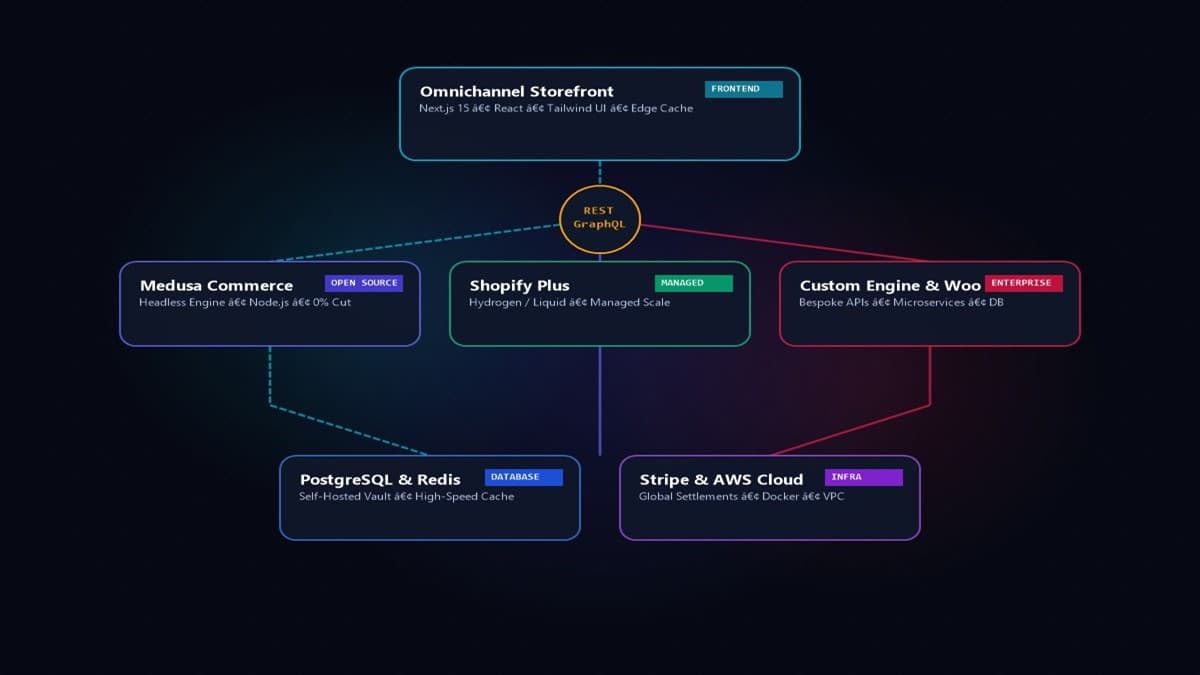
Deterministic Multi-Agent Orchestration
Moving beyond simple prompt chatbots to production-grade agentic architectures with bounded state, cyclic graph traversal, and zero-hallucination execution.
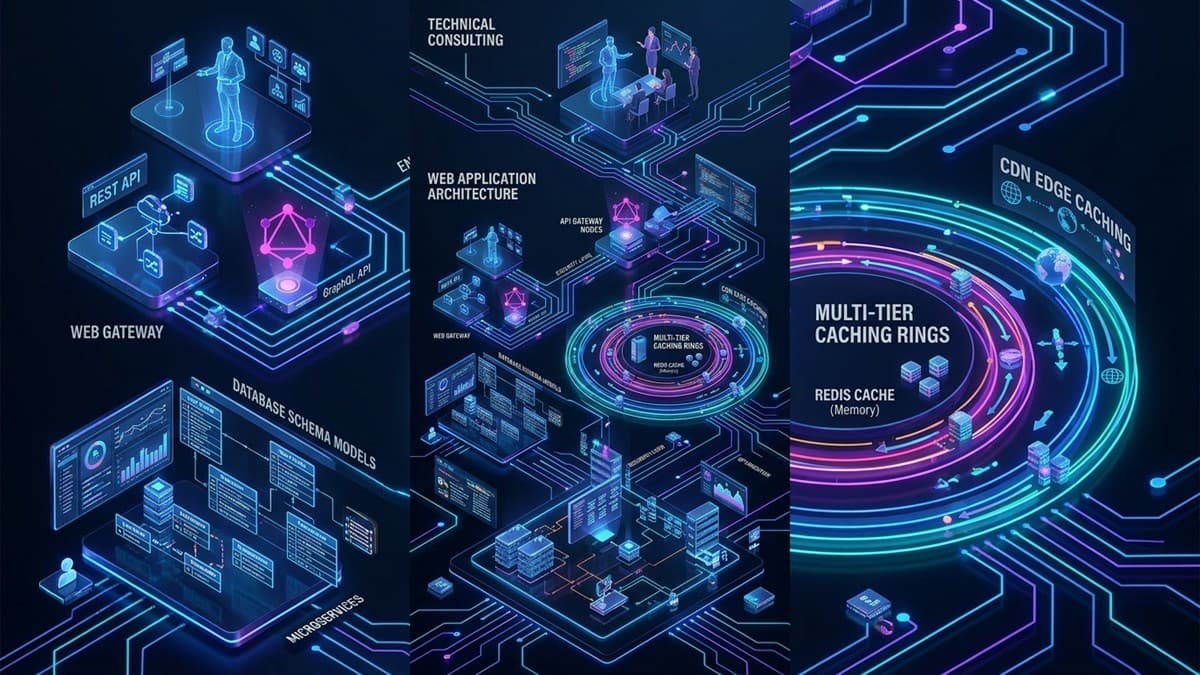
Cyclic State Graph Execution
State machines built on LangGraph that maintain persistent checkpoints, handle looping logic, self-correct on parse failures, and resume gracefully.
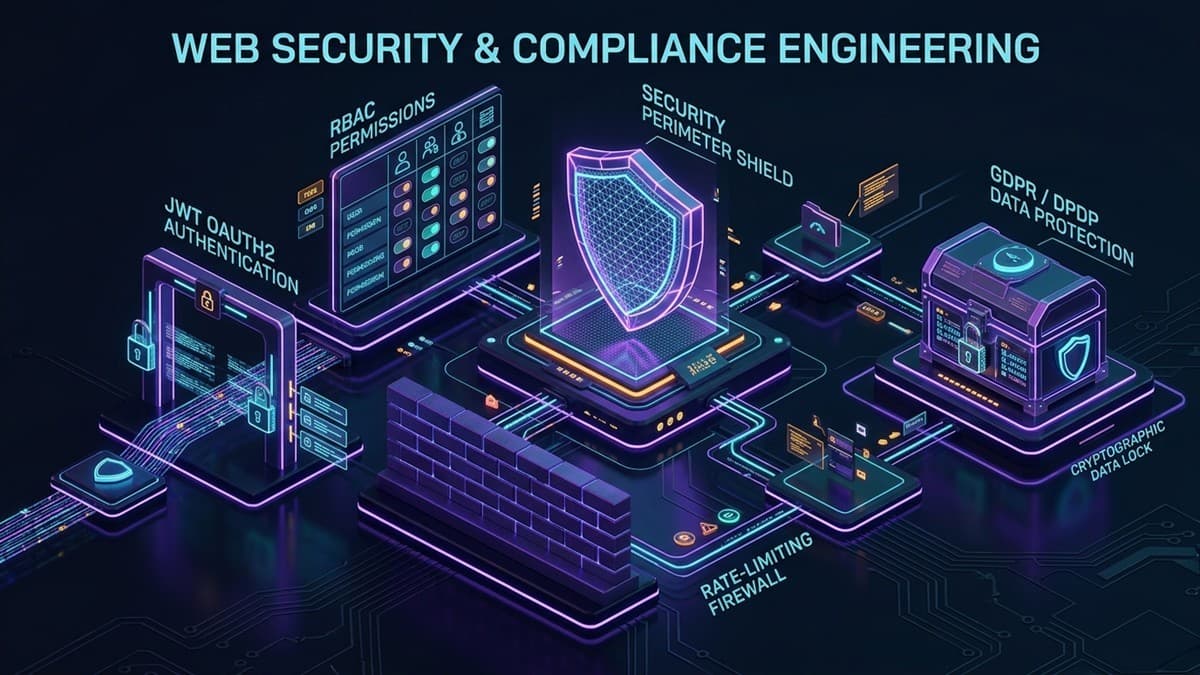
Deterministic Schema Guardrails
Every agent output is validated against strict Pydantic/Zod schemas before triggering downstream API calls, database writes, or financial transactions.
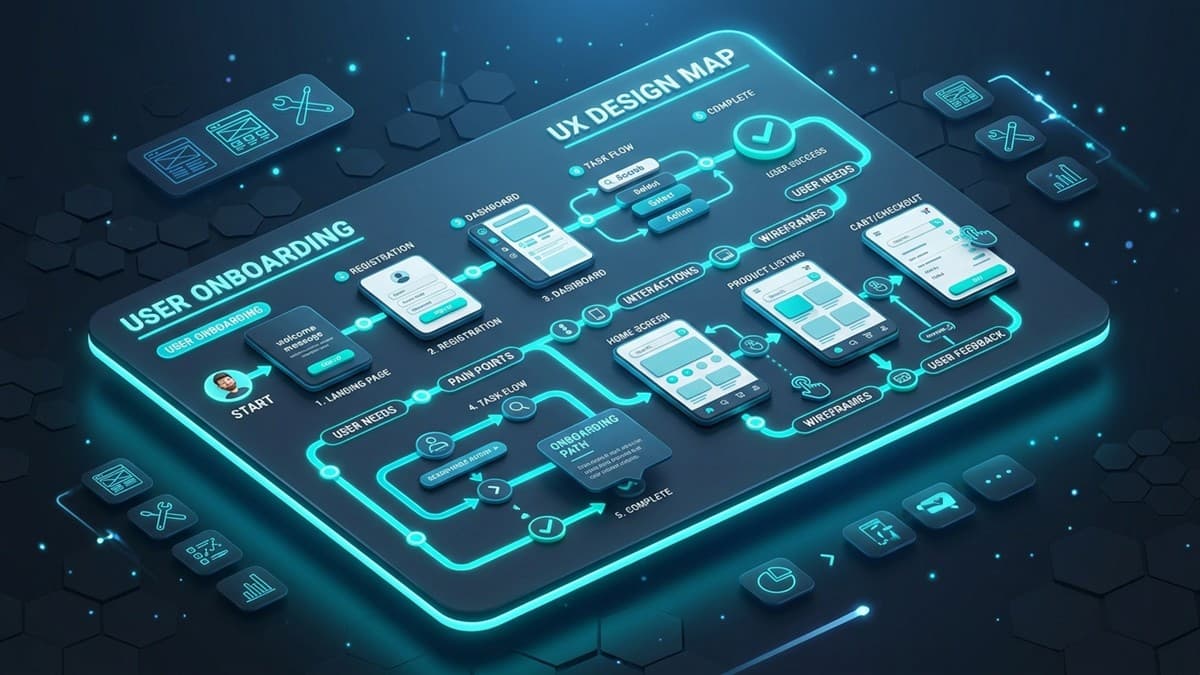
Human-in-the-Loop Escalation
Built-in approval breakpoints and confidence scoring thresholds that automatically route edge cases or high-value actions to human operators.
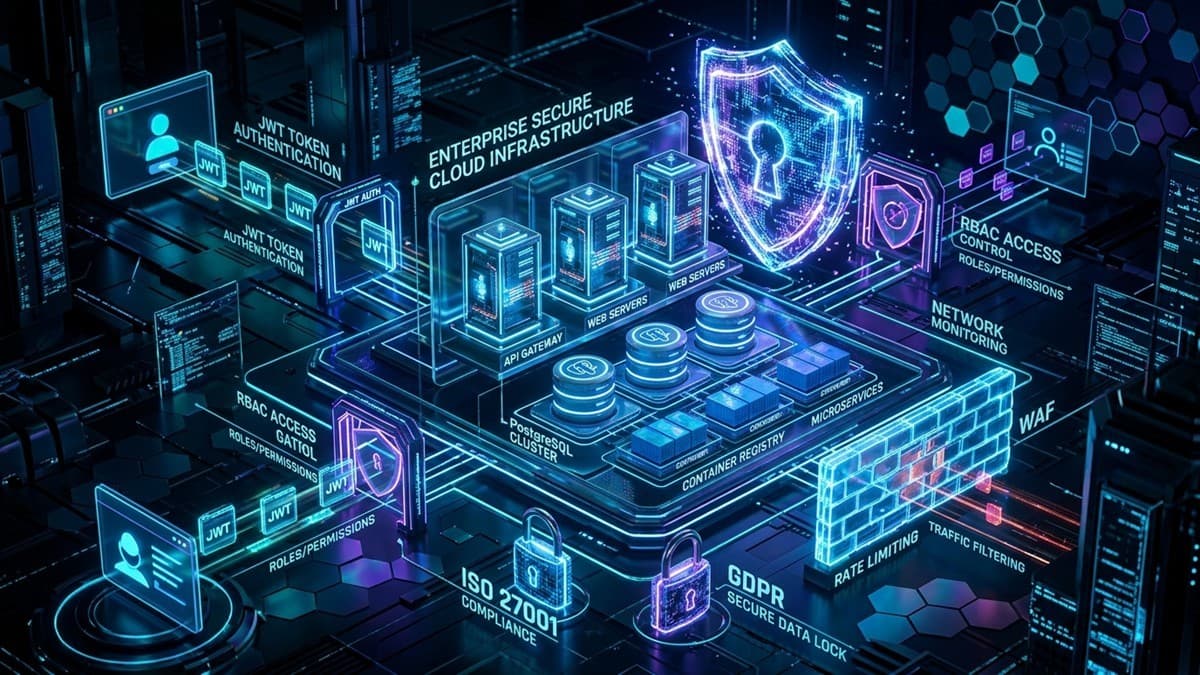
Private VPC Data Sovereignty
Air-gapped deployment on self-hosted infrastructure with zero customer data sent to third-party model training pools, compliant with India DPDP & GDPR.
Decoupled Architecture Dataflow
A 4-tier breakdown of how requests, state mutations, and data queries flow through this production stack.
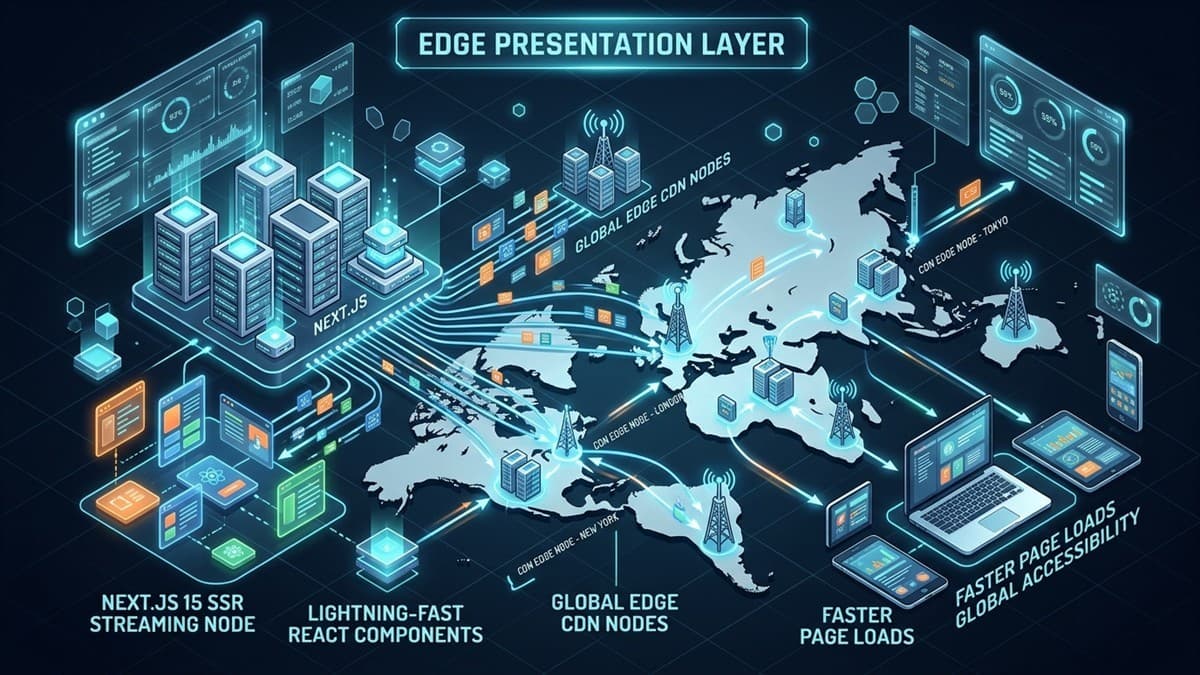
Webhook & Event Bus Ingestion
Asynchronous event routing via Redis Streams and RabbitMQ for capturing incoming customer tickets, ERP triggers, and webhook payloads.
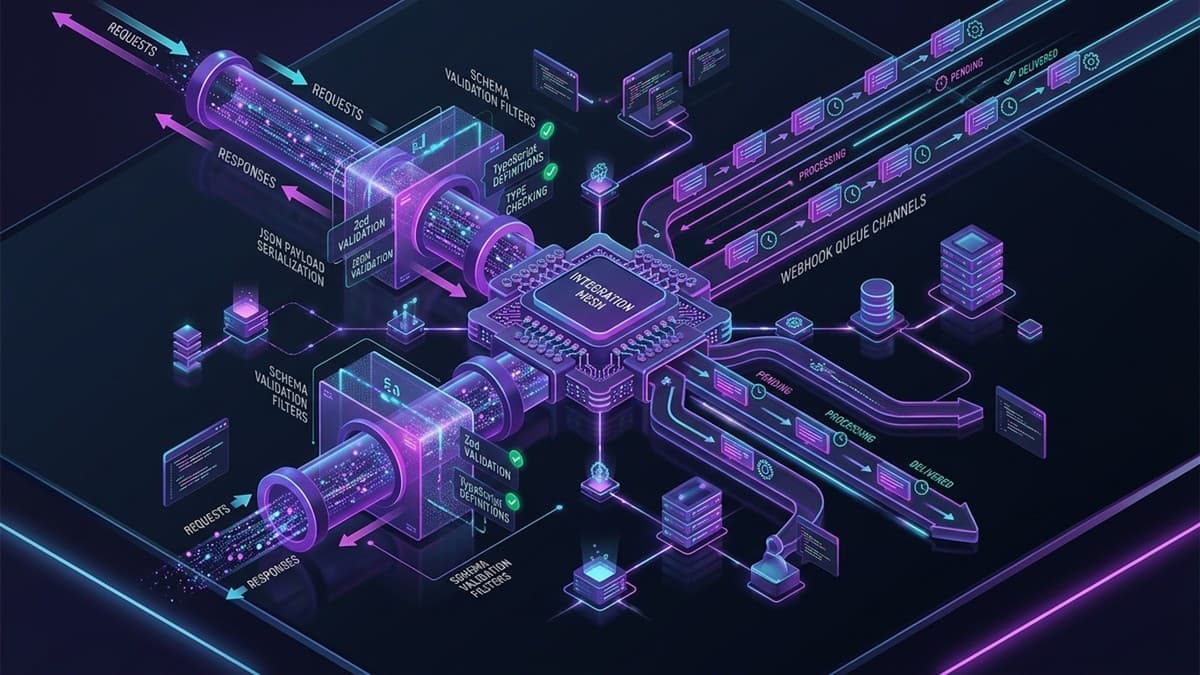
LangGraph Multi-Agent Orchestrator
Central supervisor agent routing tasks to specialized domain sub-agents (extractor, validator, auditor) with persistent PostgreSQL checkpoints.
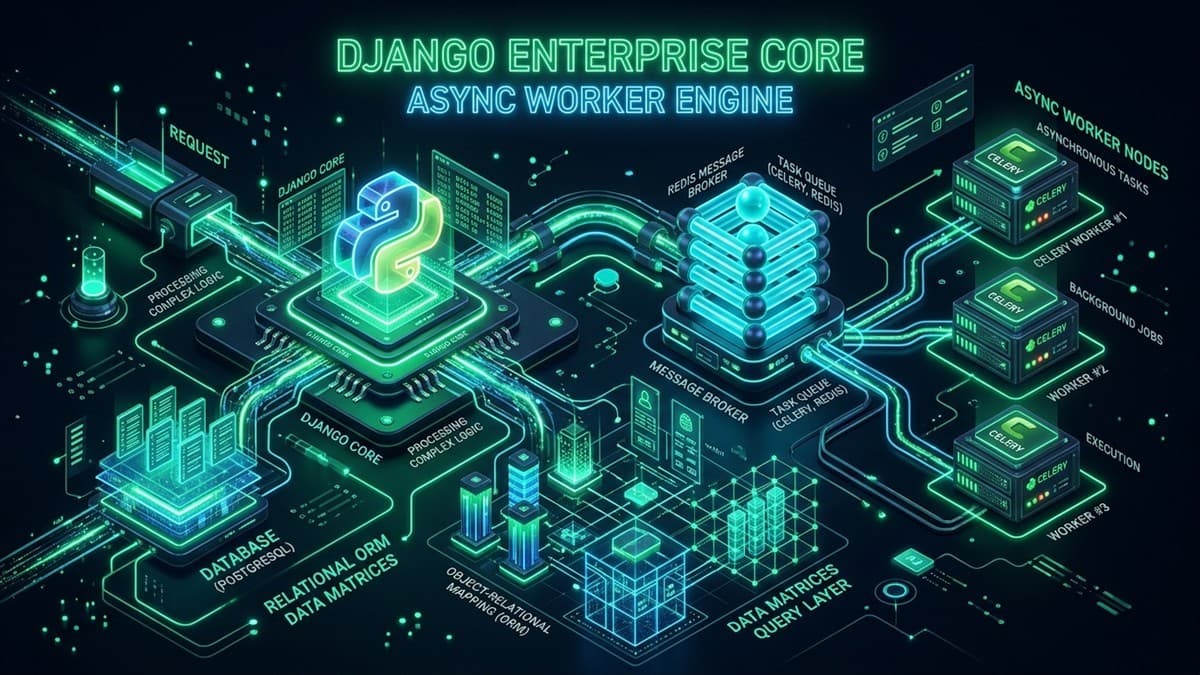
Sandboxed Tool & Vector Connectors
Type-safe API clients, SQL database connectors, and pgvector semantic retrieval executing in isolated container sandboxes.
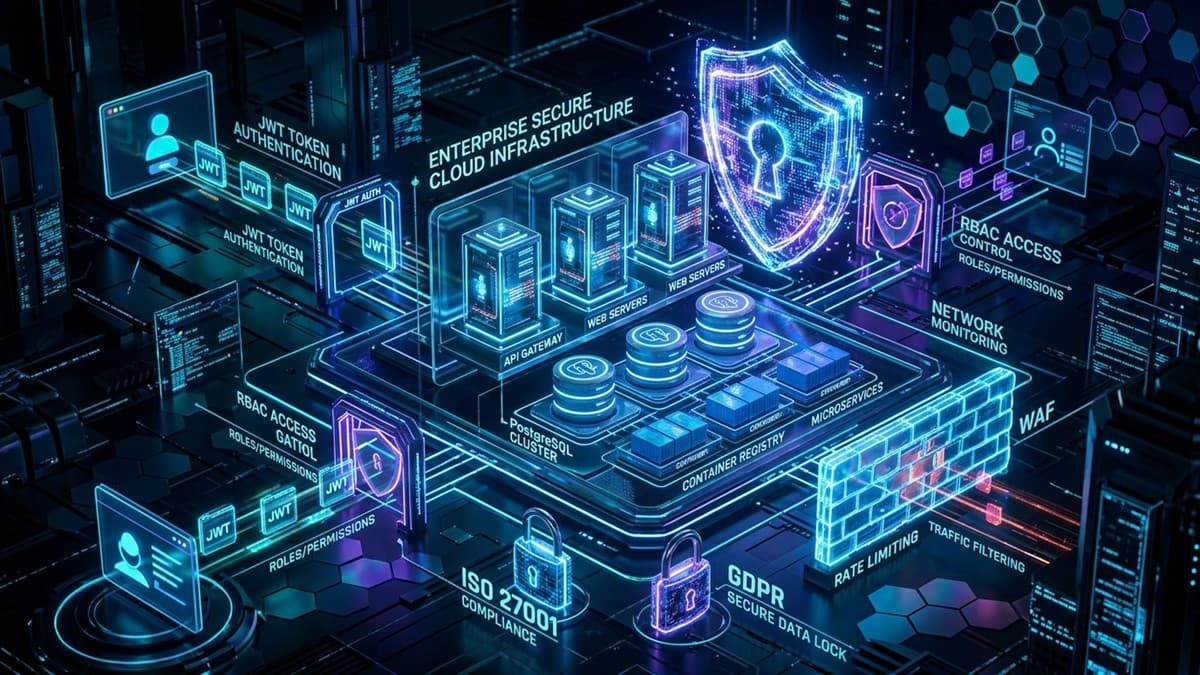
OpenTelemetry & Evaluation Gate
Real-time token spend tracking, latency profiling, prompt tracing with Langfuse, and automated regression evaluations.
Core Engineering Deliverables
Every component is backed by strict type contracts, comprehensive test suites, and transparent documentation.
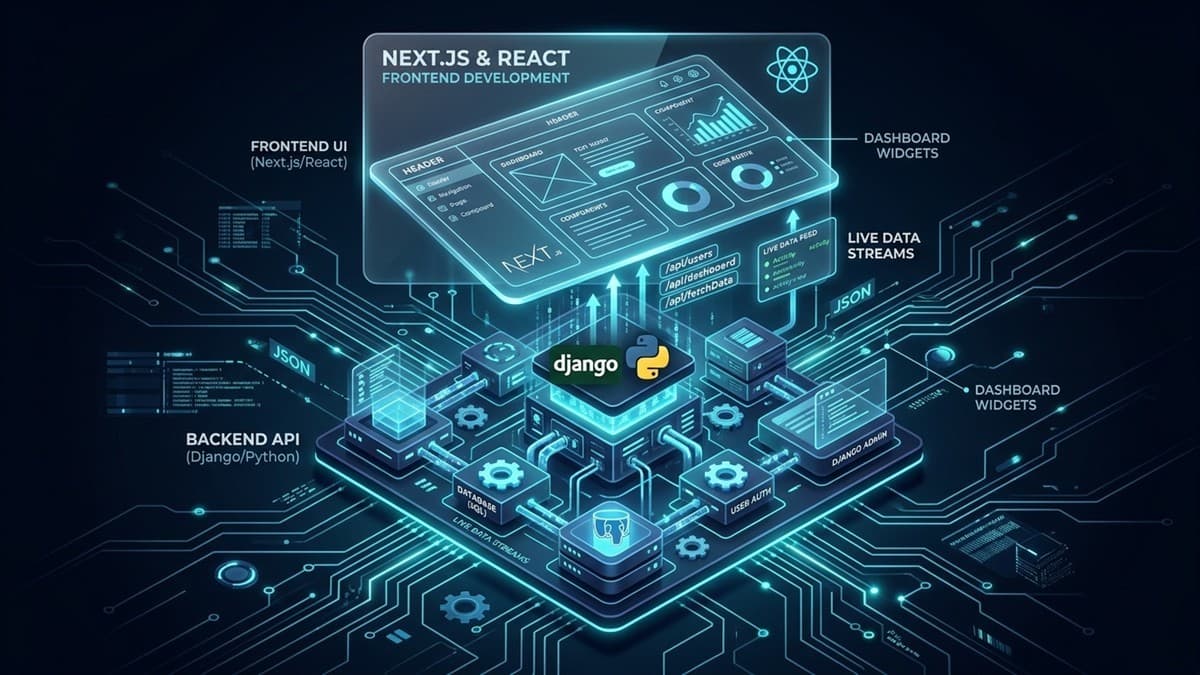
Custom Multi-Agent State Machine
Production LangGraph Python/TypeScript backend orchestrating multiple specialized sub-agents with shared memory and checkpointing.
- LangGraph cyclic workflow graph architecture
- Supervisor-worker agent delegation pattern
- PostgreSQL state checkpoint persistence
- Automatic self-correction on schema validation error
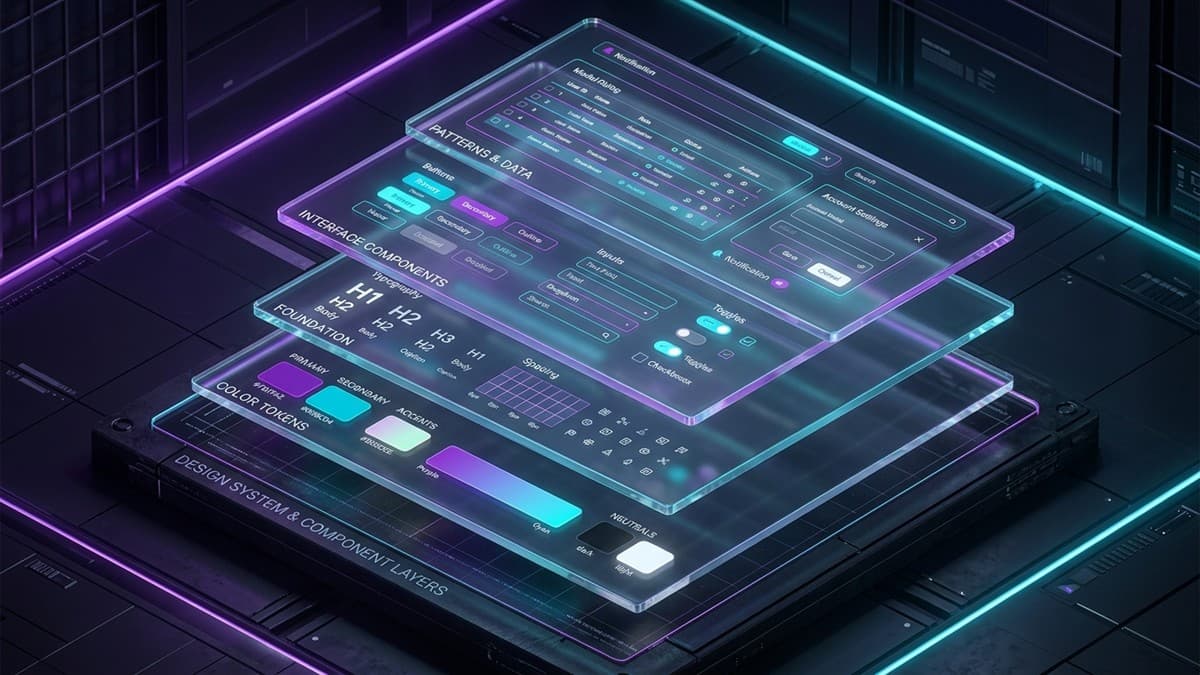
Enterprise Tool Integration & Action Mesh
Sandboxed tools connecting the agent directly to your internal ERP, CRM, billing, and document storage APIs.
- Type-safe OpenAPI tool bindings
- SQL & ERP query interfaces with read-only replicas
- Document parsing & OCR connectors
- Role-based action authorization (RBAC)
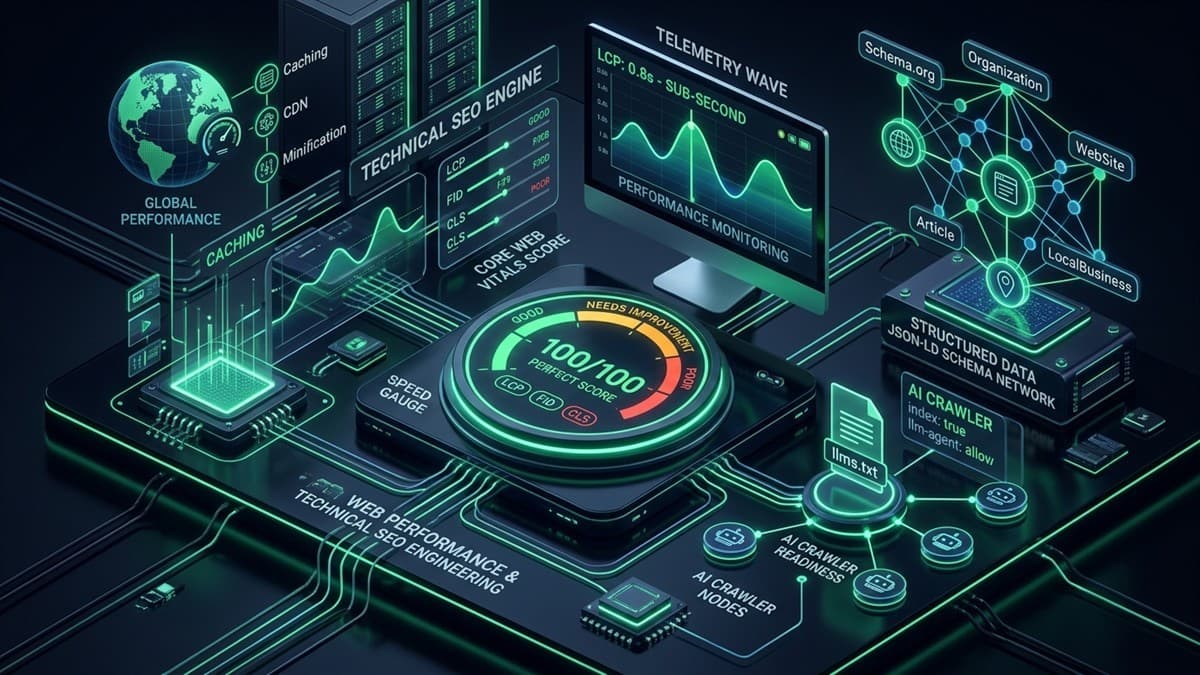
Deterministic Guardrail & Validation Suite
Pre-flight and post-flight validation interceptors preventing prompt injection, hallucinations, and malformed database mutations.
- Zod / Pydantic schema enforcement
- Regex & business rule validators
- Prompt injection & sensitive PII filtering
- Confidence score threshold routing
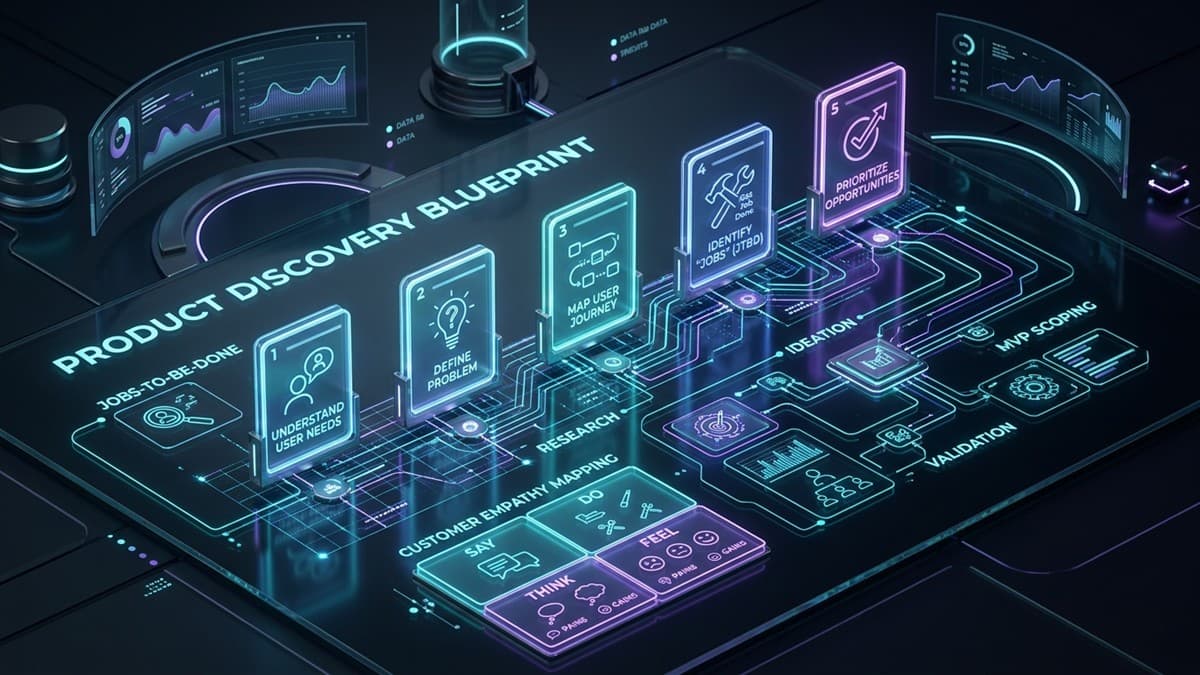
Human-in-the-Loop Review Dashboard
Next.js web portal allowing internal operators to review flagged agent decisions, edit outputs, and approve high-stakes actions.
- Real-time queue of pending approvals
- Side-by-side agent reasoning audit trace
- One-click approve, reject, or modify actions
- Operator feedback loop for continuous model tuning
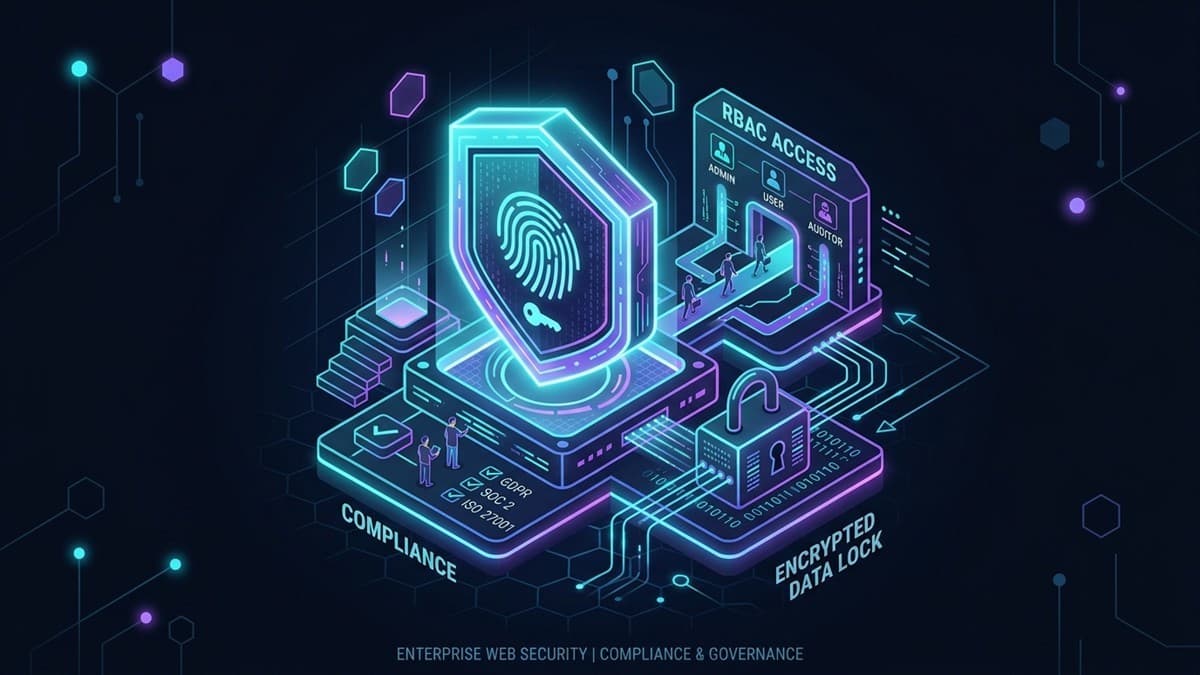
Production Observability & VPC Deployment
Turnkey Docker deployment in your private cloud with end-to-end token tracing, latency telemetry, and Grafana dashboards.
- Air-gapped / Private VPC Docker Swarm setup
- OpenTelemetry & Langfuse distributed tracing
- Cost per workflow & p95 latency monitoring
- Automated CI/CD regression evaluation suite
Our 5-Phase Engineering Lifecycle
Predictable 2-week sprint cycles with weekly staging deployments, automated test reports, and transparent milestones.
Workflow Deconstruction
Map operational processes, input data schemas, and exception edge cases.
State Graph Design
Architect LangGraph state schema, tool bindings, and validation rules.
Agent & Tool Implementation
Build specialized sub-agents, ERP connectors, and checkpoint persistence.
Guardrail Hardening
Test against adversarial inputs, refine confidence thresholds, and connect HITL UI.
VPC Rollout & Telemetry
Deploy to private infrastructure with OpenTelemetry tracing and live Grafana dashboards.
The Trade-Off Matrix: When to Choose & When to Avoid
We never recommend an architecture blindly. Here is our perspective on where Enterprise AI Agents excels and where simpler alternatives make more sense.
Strong Fit / Recommended When:
- Your operations require multi-step reasoning, dynamic tool invocation, and real-time database queries rather than linear scripts.
- You need autonomous processes (e.g. invoice matching, ticket triage, claims processing) with human-in-the-loop escalation.
- You cannot tolerate hallucinations and require deterministic Pydantic/Zod schema enforcement on every model output.
- You need private VPC deployment or air-gapped container execution with 100% data sovereignty and zero vendor training.
Poor Fit / Look Elsewhere When:
- ×A simple deterministic SQL query, standard CRUD script, or rule-based cron job already solves the problem with 100% predictability.
- ×Your team does not have documented business logic or clear validation criteria for evaluating agent decision accuracy.
Total Cost of Ownership (TCO) Comparison
Compare dedicated engineering and self-hosted infrastructure against recurring manual operational overhead or closed SaaS subscriptions.
Fixed monthly cost on your private cloud/VPC. Does not penalize workflow volume or operational scale.
Recurring SaaS seat licenses or manual labor overhead with high error rates and zero intellectual property ownership.
Replaces hundreds of hours of manual copy-pasting, ticket triage, and spreadsheet reconciliation with an always-on, auditable agent mesh.
Global Logistics & Freight Brokerage: Autonomous Multi-Agent Bill of Lading & Invoice Processing
Engineered a 4-agent LangGraph pipeline that extracts line items from complex PDF invoices, cross-checks rates against ERP contracts, flags discrepancies, and posts approved payments automatically.
Recommended Production Stack
LangGraph, Python, TypeScript
Cyclic state machines with persistent checkpoints and deterministic routing.
Pydantic, Zod, Instructor
Guaranteed structured JSON outputs with automatic retry on schema violation.
PostgreSQL, Redis Streams, pgvector
Persistent thread checkpoints, message buffering, and semantic search.
Agency Architecture Insight
Enterprise agents fail when treated as generic chat bots. Production success requires bounded scope, deterministic schema validators, explicit tool permissions, and persistent state checkpoints.
Frequently Asked Technical Questions
Transparent answers on validation guardrails, latency benchmarks, data privacy, and integration roadmaps.
AI & Intelligent Systems
AI agents, automation, intelligent systems and integrations that transform how you operate.
Evaluate Enterprise AI Agents for your enterprise
Schedule an architecture discovery consultation to review your workflow schemas, integration points, and deployment feasibility.